Buy teilen.eu ?
We are moving the project
teilen.eu .
Are you interested in purchasing the domain
teilen.eu ?
domain@kv-gmbh.de · 0541-91531010
Buy teilen.eu ?
What are functional groups?
Functional groups are specific groups of atoms within a molecule that are responsible for the characteristic chemical reactions and properties of that molecule. They are the reactive centers of organic compounds and determine the overall chemical behavior of the molecule. Examples of functional groups include hydroxyl (-OH), carbonyl (C=O), amino (-NH2), and carboxyl (-COOH). These groups can greatly influence the physical and chemical properties of organic compounds and are important in the study of organic chemistry. **
How can functional groups be recognized?
Functional groups can be recognized by their characteristic arrangement of atoms and their specific chemical properties. They are often identified by the presence of specific atoms or groups of atoms, such as hydroxyl (-OH), carbonyl (C=O), amino (-NH2), or carboxyl (-COOH) groups. In addition, functional groups often exhibit distinct reactivity and can be identified through chemical tests or spectroscopic techniques such as infrared spectroscopy or nuclear magnetic resonance (NMR) spectroscopy. Overall, the combination of structural features and chemical properties allows for the recognition of functional groups in organic molecules. **


Similar search terms for Functional groups
Top-Angebote
Products related to Functional groups:
-
Multisell Products Hub Electrician Pliers For Wire Splitting And Stripping Multi Functional Tool For Electricians Electrician Pliers For Wire Splitting And Stripping Multi Functional Tool For ElectriciansHighPerformance MultiFunctional Electrician Pliers These multifunctional electrician pliers are expertly crafted to meet the needs of professionals. Perfect for wire splitting and stripping, they provide precise, effortless cutting and handling for...21,97 $*Shipping: 0,00 $Secure redirect to the provider
-
Multicon Wholesale Hub High Quality Multi Functional Pliers For Electricians, Wire Splitting, Stripping, And Crimping High Quality Multi Functional Pliers For Electricians, Wire Splitting, Stripping, And CrimpingHighQuality Material: This wire stripper is made of highquality material, fine workmanship, high hardness, wearresistant, not easy to rust, sturdy, and durable.Multifunctional design: Meets the requirements of various electrician operations such as...39,97 $*Shipping: 0,00 $Secure redirect to the provider
-
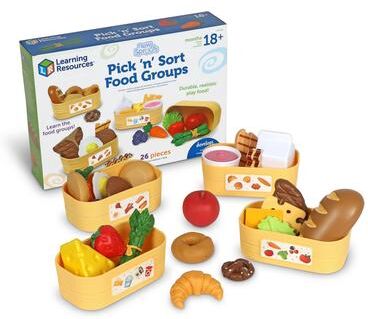
Learning Resources New Sprouts Pick 'n' Sort Food Groups - MultiSort your way to new food skills! Kids grab their sorting baskets, then sort the 21 play food pieces into fruits and veggies, grains, meats, and dairy. Includes 4 baskets, 5 protein foods, 6 produce, 6 grains, and 5 dairy foods.38,99 $*Shipping: 0,00 $Secure redirect to the provider


-
How can functional groups be identified?
Functional groups can be identified by analyzing the molecular structure of a compound. Each functional group has a characteristic arrangement of atoms that imparts specific chemical properties to the compound. Techniques such as infrared spectroscopy, nuclear magnetic resonance spectroscopy, and mass spectrometry can be used to identify functional groups based on their unique chemical signatures. Additionally, chemical tests and reactions can be performed to confirm the presence of specific functional groups in a compound. **
-
How can functional groups be interchanged?
Functional groups can be interchanged through chemical reactions that involve breaking and forming new bonds. For example, a hydroxyl group (-OH) can be replaced with a halogen group (-X) through a substitution reaction. Another method is through oxidation or reduction reactions, where functional groups can be converted into different functional groups with different properties. Additionally, functional groups can be interchanged through nucleophilic or electrophilic addition reactions, where new functional groups are added to a molecule. Overall, functional groups can be interchanged through a variety of chemical reactions that involve breaking and forming new bonds. **
-
How are functional groups etc. correctly named?
Functional groups are correctly named by identifying the substituent or group of atoms attached to the main carbon chain and naming it accordingly. The parent chain is identified, and the position of the functional group is indicated by a number. The name of the functional group is then added as a prefix or suffix to the parent chain name. It is important to follow the rules of nomenclature and prioritize the functional group with the highest priority when naming organic compounds. **
-
What are the functional groups of Thiamethoxam?
Thiamethoxam contains two functional groups: a nitro group (-NO2) and a methyl group (-CH3). The nitro group is important for the insecticidal activity of Thiamethoxam, as it disrupts the nervous system of insects. The methyl group is a simple alkyl group that does not directly contribute to the insecticidal properties of the compound but is part of its chemical structure. **


In what order do functional groups appear?
Functional groups appear in a specific order on a carbon chain based on their priority. The order of priority is determined by the functional group with the highest priority, which is typically the one that is closest to the end of the carbon chain. For example, carboxylic acids have the highest priority, followed by aldehydes, ketones, alcohols, amines, and alkyl halides. This order is important in organic chemistry as it helps determine the naming and reactivity of organic compounds. **
What are the functional groups in aspartame?
Aspartame contains two functional groups: an amide group and a carboxylic acid group. The amide group is formed by the reaction between the amino group of aspartic acid and the carboxyl group of phenylalanine. The carboxylic acid group is present in the aspartic acid component of aspartame. These functional groups play a crucial role in the taste and structure of aspartame, a popular artificial sweetener. **
Top-Angebote
Products related to Functional groups:
-
Uplifted Finds Multi Functional Electrician Pliers For Wire Splitting Stripping Crimping Multi Functional Electrician Pliers For Wire Splitting Stripping CrimpingThis versatile electrician pliers tool supports wire splitting, stripping, cutting, and crimping in one compact unit. Its engineered for professional tasks or DIY electrical repairs, giving you precise control on a variety of wire types. With its...45,97 $*Shipping: 0,00 $Secure redirect to the provider
-
Uplift Curations Multi Functional Electrician Wire Stripping Pliers Precision Cutting & Splitting Tool Multi Functional Electrician Wire Stripping Pliers Precision Cutting & Splitting ToolTackle electrical tasks with confidence using these electrician wire stripping pliers designed for precision and efficiency. Built for professionals and DIY users alike, this allinone tool simplifies cutting, stripping, and splitting wires in...60,00 $*Shipping: 0,00 $Secure redirect to the provider
-
Multisell Products Hub Electrician Pliers For Wire Splitting And Stripping Multi Functional Tool For Electricians Electrician Pliers For Wire Splitting And Stripping Multi Functional Tool For ElectriciansHighPerformance MultiFunctional Electrician Pliers These multifunctional electrician pliers are expertly crafted to meet the needs of professionals. Perfect for wire splitting and stripping, they provide precise, effortless cutting and handling for...21,97 $*Shipping: 0,00 $Secure redirect to the provider
-
What are functional groups?
Functional groups are specific groups of atoms within a molecule that are responsible for the characteristic chemical reactions and properties of that molecule. They are the reactive centers of organic compounds and determine the overall chemical behavior of the molecule. Examples of functional groups include hydroxyl (-OH), carbonyl (C=O), amino (-NH2), and carboxyl (-COOH). These groups can greatly influence the physical and chemical properties of organic compounds and are important in the study of organic chemistry. **
-
How can functional groups be recognized?
Functional groups can be recognized by their characteristic arrangement of atoms and their specific chemical properties. They are often identified by the presence of specific atoms or groups of atoms, such as hydroxyl (-OH), carbonyl (C=O), amino (-NH2), or carboxyl (-COOH) groups. In addition, functional groups often exhibit distinct reactivity and can be identified through chemical tests or spectroscopic techniques such as infrared spectroscopy or nuclear magnetic resonance (NMR) spectroscopy. Overall, the combination of structural features and chemical properties allows for the recognition of functional groups in organic molecules. **
-
How can functional groups be identified?
Functional groups can be identified by analyzing the molecular structure of a compound. Each functional group has a characteristic arrangement of atoms that imparts specific chemical properties to the compound. Techniques such as infrared spectroscopy, nuclear magnetic resonance spectroscopy, and mass spectrometry can be used to identify functional groups based on their unique chemical signatures. Additionally, chemical tests and reactions can be performed to confirm the presence of specific functional groups in a compound. **
-
How can functional groups be interchanged?
Functional groups can be interchanged through chemical reactions that involve breaking and forming new bonds. For example, a hydroxyl group (-OH) can be replaced with a halogen group (-X) through a substitution reaction. Another method is through oxidation or reduction reactions, where functional groups can be converted into different functional groups with different properties. Additionally, functional groups can be interchanged through nucleophilic or electrophilic addition reactions, where new functional groups are added to a molecule. Overall, functional groups can be interchanged through a variety of chemical reactions that involve breaking and forming new bonds. **
Similar search terms for Functional groups
-
Multicon Wholesale Hub High Quality Multi Functional Pliers For Electricians, Wire Splitting, Stripping, And Crimping High Quality Multi Functional Pliers For Electricians, Wire Splitting, Stripping, And CrimpingHighQuality Material: This wire stripper is made of highquality material, fine workmanship, high hardness, wearresistant, not easy to rust, sturdy, and durable.Multifunctional design: Meets the requirements of various electrician operations such as...39,97 $*Shipping: 0,00 $Secure redirect to the provider
-
Learning Resources New Sprouts Pick 'n' Sort Food Groups - MultiSort your way to new food skills! Kids grab their sorting baskets, then sort the 21 play food pieces into fruits and veggies, grains, meats, and dairy. Includes 4 baskets, 5 protein foods, 6 produce, 6 grains, and 5 dairy foods.38,99 $*Shipping: 0,00 $Secure redirect to the provider
-
Play to Z Cooperative Animal Rescue Board Game - Family Game for GroupsJoin the Animal Rescue Team as you work together with fellow specialist rescuers to evacuate animals from dangerous situations and guide them safely to shelters. Face challenging rescue missions involving floods, fires, damaged buildings, and blocked roads. Plan carefully, respond to changing hazards, and coordinate your team's abilities to reach animals in need. Each decision can make a difference between a successful rescue and an animal left in danger. This cooperative board game encourages communication, problem-solving, and teamwork, making it a great choice for family game sessions and groups who enjoy collaborative challenges.39,97 £*Shipping: 3,95 £Secure redirect to the provider
-
Spin Master Melissa & Doug Food Groups Wooden Play Food - 21 Pieces 4 CratesIntroduce your child to the world of pretend play with the Melissa & Doug Food Groups wooden play food set. This set contains 21 wooden food pieces representing items from the five food groups, including watermelon, milk, cheese, cereal, fish, and eggs. The pieces are supplied with four wooden crates for sorting and storage. Children can use them in a toy kitchen, shop, or restaurant, or create their own pretend meals while practicing matching, sorting, and counting. The set also provides a screen-free way to introduce simple conversations about different types of food and food groups. The food items are made of solid wood and are suitable for imaginative pretend play. This practical addition to a play kitchen can also be enjoyed on its own for sorting and role play.17,49 £*Shipping: 3,95 £Secure redirect to the provider
-
How are functional groups etc. correctly named?
Functional groups are correctly named by identifying the substituent or group of atoms attached to the main carbon chain and naming it accordingly. The parent chain is identified, and the position of the functional group is indicated by a number. The name of the functional group is then added as a prefix or suffix to the parent chain name. It is important to follow the rules of nomenclature and prioritize the functional group with the highest priority when naming organic compounds. **
-
What are the functional groups of Thiamethoxam?
Thiamethoxam contains two functional groups: a nitro group (-NO2) and a methyl group (-CH3). The nitro group is important for the insecticidal activity of Thiamethoxam, as it disrupts the nervous system of insects. The methyl group is a simple alkyl group that does not directly contribute to the insecticidal properties of the compound but is part of its chemical structure. **
-
In what order do functional groups appear?
Functional groups appear in a specific order on a carbon chain based on their priority. The order of priority is determined by the functional group with the highest priority, which is typically the one that is closest to the end of the carbon chain. For example, carboxylic acids have the highest priority, followed by aldehydes, ketones, alcohols, amines, and alkyl halides. This order is important in organic chemistry as it helps determine the naming and reactivity of organic compounds. **
-
What are the functional groups in aspartame?
Aspartame contains two functional groups: an amide group and a carboxylic acid group. The amide group is formed by the reaction between the amino group of aspartic acid and the carboxyl group of phenylalanine. The carboxylic acid group is present in the aspartic acid component of aspartame. These functional groups play a crucial role in the taste and structure of aspartame, a popular artificial sweetener. **
* All prices are inclusive of VAT and, if applicable, plus shipping costs. The offer information is based on the details provided by the respective shop and is updated through automated processes. Real-time updates do not occur, so deviations can occur in individual cases. ** Note: Parts of this content were created by AI.